
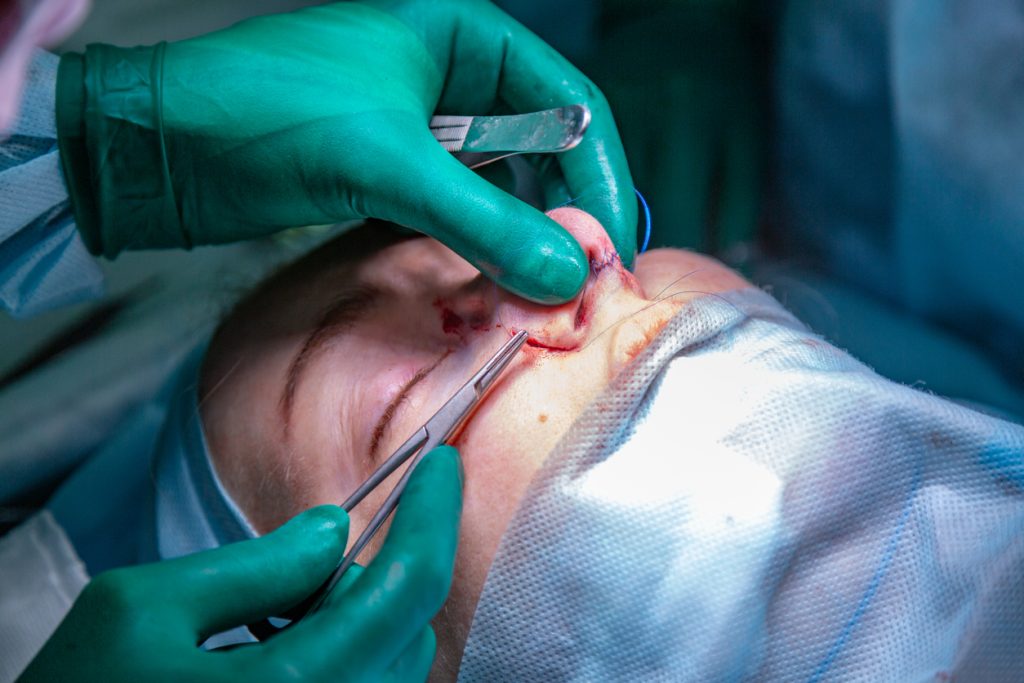

Mohs surgery is a precise method for removing skin cancer. This procedure, conducted in-office, involves the meticulous removal of cancer-affected skin layers, which are then examined under a microscope. This enables the surgical dermatologist to ensure complete removal of cancer cells while sparing healthy tissue. This approach minimizes scarring, offering a less invasive alternative to conventional excision methods.
Mohs surgery is recommended for specific cases of skin cancer, such as:
It effectively treats various types of skin cancer, including basal cell carcinoma, squamous cell carcinoma, and melanoma, with your surgical dermatologist guiding you through the appropriate dermatological services for your skin cancer.
Skin cancer manifests in various forms, often appearing as abnormal spots with unusual coloration, shape, borders, or texture. These growths may exhibit bleeding, itching, or a burning sensation upon contact. They might resemble sores or scars, appearing smooth and waxy. Any suspicions regarding skin abnormalities warrant consultation with a board-certified dermatologist. Familiarize yourself with the signs of skin cancer for early detection and prompt intervention.
Mohs surgery is typically conducted in an outpatient setting equipped with a nearby laboratory. The procedure begins with the sterilization of the treatment area and the application of a topical anesthetic for patient comfort. Then, the surgical dermatologist delicately removes the growth and surrounding tissue layers using a scalpel. These tissues are then meticulously examined under a microscope in the laboratory.
The surgical dermatologist will analyze the tissue samples, precisely identifying the areas with cancerous cells. This process continues until the dermatologist confirms the absence of cancer cells. Then, the wound closure technique, whether it involves skin grafts, stitches, or simply leaving it to heal, is determined for the best cosmetic outcome. The duration of Mohs surgery can vary, so patients are advised to wear comfortable attire and prepare activities to pass the time. Following completion of the procedure, patients can return home.
Detailed post-operative care instructions will be provided by our team. It is important to keep the surgical site clean and properly bandaged. It’s crucial to shield the area with SPF 30+ sunscreen to mitigate the risk of hyperpigmentation, visible scarring, and recurrence of skin cancer due to sun exposure.
After surgery, our team will let you know when to follow up with the surgical dermatologist. Annual professional skin examinations are recommended to monitor for any signs of recurrent skin cancer.
Our skilled Mohs surgeon is dedicated to discussing your skin cancer treatment options. To schedule a consultation and explore our services further, please contact Wray Dermatology via phone or our online inquiry form.
